


2025
Can Small Retailers Benefit From Food-Grade 3PL Warehouses?
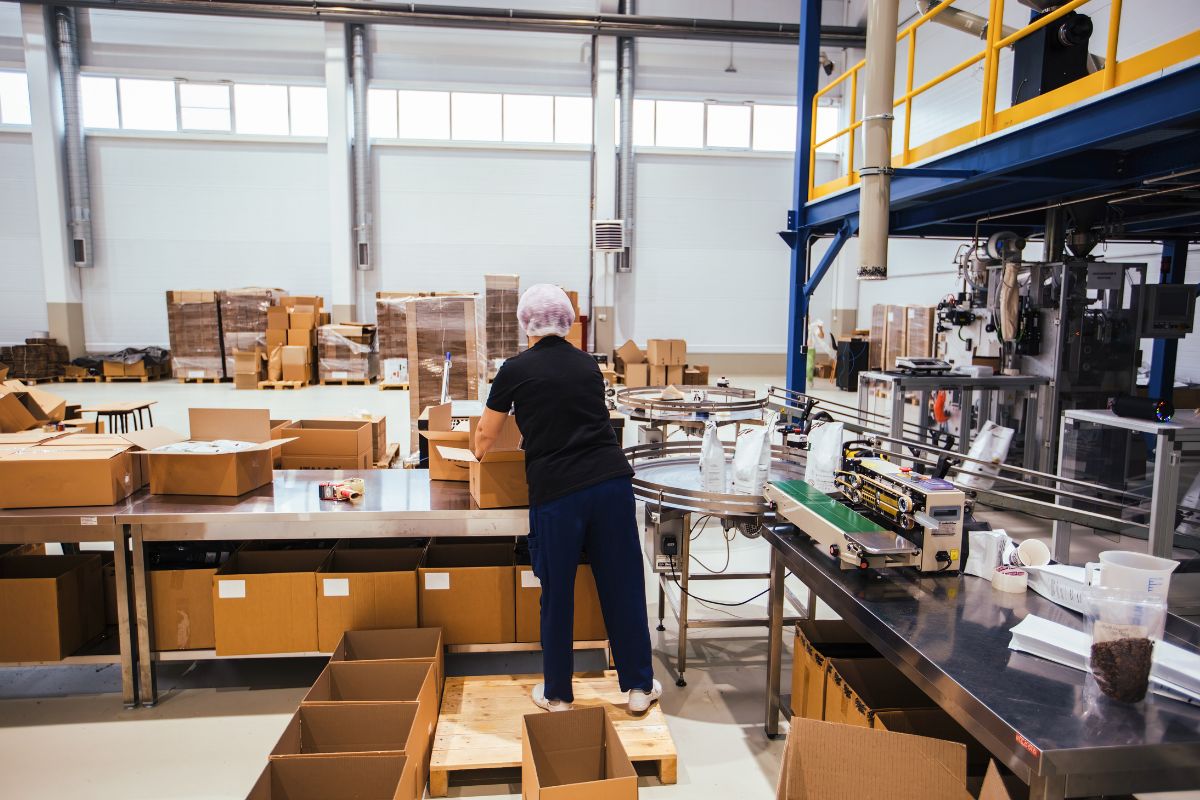
For many small retailers in Toronto, managing storage, transportation, and distribution for food products is one of the biggest challenges in running a growing business. Tight margins, strict safety standards, and limited space often make in-house storage difficult. That is where food-grade third-party logistics (3PL) warehouses become an essential resource.
A food-grade 3PL warehouse gives smaller retailers access to professional storage and handling facilities that meet the strict hygiene and temperature requirements of food and beverage logistics. These warehouses are designed to maintain product integrity while simplifying supply-chain operations for companies that may not have the scale to manage it on their own.
What Food-Grade 3PL Warehouses Offer
Food-grade warehouses differ from standard storage facilities in both design and operation. They must follow strict federal and provincial food-safety regulations, including those set by the Canadian Food Inspection Agency (CFIA). Every process is built to protect food from contamination and spoilage.
Key features of food-grade 3PL warehouses include:
- Temperature-controlled zones for frozen, chilled, and ambient products
- Regular sanitation programs and pest-control protocols
- Separate storage areas for allergen and non-allergen products
- Traceability systems for batch and lot tracking
- Dock areas designed for quick, clean loading and unloading
Another thing to look for are certifications such as HACCP (Hazard Analysis and Critical Control Point) or SQF (Safe Quality Food). These programs ensure that all food-handling processes meet or exceed national standards.
3PL Services Go Beyond Storage
A food-grade 3PL warehouse does more than store products. It becomes an extension of a retailer’s supply chain. These facilities often provide value-added services that help small businesses compete with larger players in the market.
Common services include:
- Co-packing and labeling: Retailers can outsource packaging, re-labeling, and date coding to ensure compliance with retail and export requirements.
- Pick and pack fulfillment: The warehouse team prepares orders for retail stores or direct-to-consumer delivery, saving retailers the time and labor of doing it in-house.
- Cross-docking and transloading: Shipments can move directly from inbound trucks to outbound routes without long storage times, improving delivery speed and reducing costs.
- Inventory management: Modern food-grade 3PLs use warehouse management systems (WMS) that provide real-time visibility of stock levels and expiration dates.
- Distribution and transportation: Many 3PLs also operate their own temperature-controlled trucking fleets, allowing for seamless movement from warehouse to store.
By offering these integrated services, food-grade 3PL providers allow small retailers to focus on sales, marketing, and customer experience instead of managing the complexities of logistics.
Why Small Retailers Should Consider Food-Grade 3PL
For small retailers, partnering with a food-grade logistics provider delivers several strategic advantages.
1. Access to Professional Infrastructure
Owning and maintaining a temperature-controlled warehouse can be prohibitively expensive. Food-grade 3PLs already have this infrastructure in place. By sharing facilities and resources, small retailers gain access to advanced storage technology and compliance systems at a fraction of the cost.
2. Better Food Safety and Compliance
Handling food products requires strict record-keeping and sanitation procedures. A professional 3PL warehouse already meets these requirements. This helps small retailers avoid costly violations or recalls while maintaining consumer trust.
3. Lower Overhead and Labor Costs
Outsourcing logistics reduces the need for in-house warehouse staff, forklifts, refrigeration systems, and maintenance. Instead, small retailers can scale storage needs up or down depending on the season or sales volume. This flexibility makes it easier to manage costs without committing to long-term leases or major capital investments.
4. Faster Order Fulfillment
Toronto’s retail landscape demands quick turnaround. Food-grade 3PL providers combine storage and distribution under one system, which reduces delivery times to stores and customers. This is especially valuable for fresh or frozen goods with short shelf lives.
5. Scalability for Growth
As small retailers expand into new markets, a food-grade 3PL can grow with them. Many providers have multiple facilities across Ontario and Western Canada, allowing companies to expand distribution without building new infrastructure. Retailers can test new products or reach new regions without taking on additional risk.
Building a Competitive Edge Through 3PL Partnerships
Food-grade 3PL warehouses are no longer just for large manufacturers or national distributors. They have become essential partners for small retailers that want to operate efficiently, protect product quality, and grow sustainably.
For small retailers in Toronto, food-grade 3PL services represent a clear growth path. They make it possible to meet food safety standards, deliver products faster, and expand into new markets with confidence.
As competition increases and consumer expectations continue to rise, working with a professional 3PL partner can be the difference between struggling to keep up and building a strong, scalable retail operation.