


2025
Cargo Insurance - What’s Covered, What Isn’t, and a 3PL Closes the Gaps
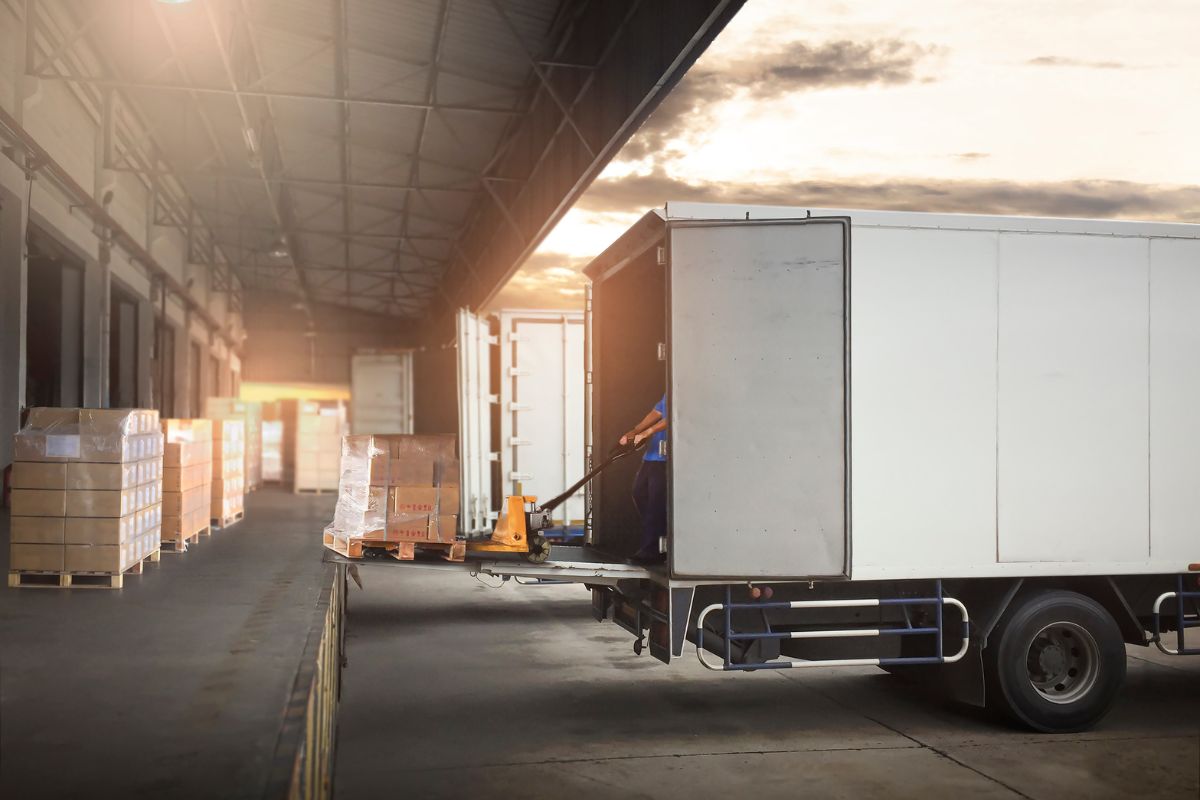
Shipping goods across Greater Toronto comes with risk. Freight moves through carriers, cross-docks, warehouses, and customs, and every handoff increases the chance of something going wrong.
If anything happens during freight, many businesses assume their carrier automatically covers damages or losses, but most cargo insurance policies have strict limits. That gap often becomes clear only when a claim is denied.
What Cargo Insurance Usually Covers
Cargo insurance protects goods while they move through transportation networks, but it only covers specific events. It primarily focuses on damage caused by situations outside your control.
This includes collisions, fires, severe weather events, or theft during transit.
Policies usually also cover general handling damage that occurs despite proper packaging. For example, if a pallet shifts during braking and products break even though everything was secured, insurance may respond.
Most policies feature a set of core categories you should understand before shipping:
- Damage caused by traffic accidents
- Fire or natural disasters
- Theft during transit under specific conditions
- Partial losses or handling-related breakage
- General average situations where shared losses apply across all shippers on a vessel
These categories sound broad, but each one has fine print. Toronto shippers often assume these protections are automatic, yet coverage depends on how the goods were packed, documented, and transported. That is where mistakes commonly happen.
Where Cargo Insurance Falls Short
Although cargo insurance is essential, it has many exclusions. Some of the most common uncovered situations include:
- Damage caused by improper packaging or loading
- Spoilage of temperature-controlled goods
- Losses caused by delays or missed appointments
- Inherent defects in the product itself
- Theft without forced entry or insufficient documentation
- High-value shipments that exceed standard liability limits
Many businesses only learn these limits when the claim process begins. Without proper documentation, photos, packing lists, and signed BOLs, insurers may deny the claim entirely. The goal is to prevent issues long before insurance becomes necessary.
How a Toronto 3PL Closes Risk and Coverage Gaps
Partnering with a Toronto-based 3PL makes a dramatic difference in how protected your freight truly is. A 3PL offers hands-on operational control, standardized processes, and real-world experience with carrier liability and insurance limits. Their job is to reduce risk before the freight even leaves the warehouse.
A few practical ways a 3PL reduces your exposure include:
- Ensuring proper packaging and pallet configuration
- Using quality control checks before shipping
- Capturing documentation that supports claims
- Coordinating carriers with strong track records
- Offering access to enhanced or all-risk insurance options
- Monitoring temperature-sensitive freight across Toronto routes
- Reducing handling events by managing storage, picking, and outbound movement within one facility
Understanding cargo insurance helps Toronto businesses avoid surprise losses and navigate the supply chain with confidence. Most policies protect against major events, but they leave out common risks like packaging issues, temperature damage, or high-value product losses.
A dedicated 3PL fills these gaps by improving handling standards, offering enhanced coverage options, and ensuring every shipment is documented and compliant. If you want to protect your freight from warehouse to final delivery, connect with our team today and discover how our Toronto 3PL warehousing services keep your goods safer at every step.
As market leaders in e-commerce order fulfillment, co-packing, transportation, and 3PL warehousing services within Toronto, we leverage our specialized expertise in the distribution industry. Our clientele spans across a multitude of industries, boasting some of the globe’s most renowned companies.