


2025
FTL or LTL - Which Is Better for E-Commerce in Canada?
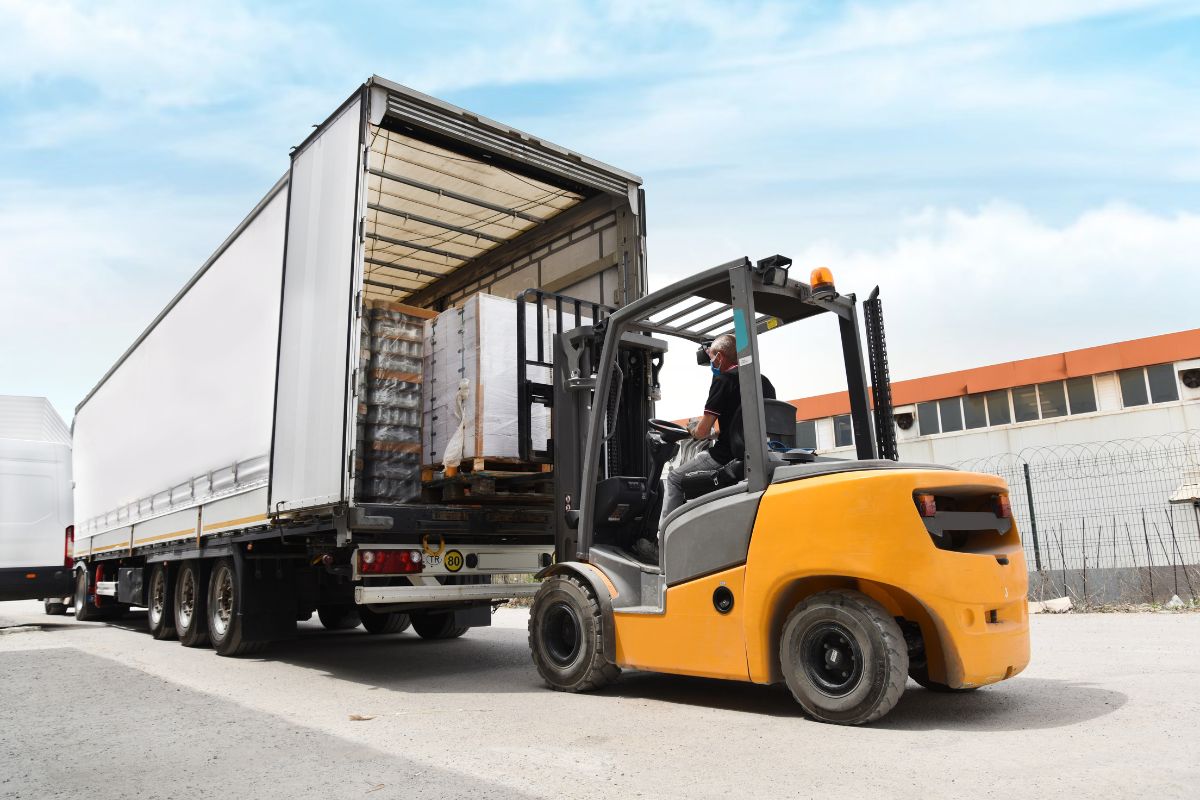
Canadian e-commerce brands face a constant challenge: choosing the right transportation mode for nationwide shipping. Two options dominate shipping across Canada: FTL and LTL. Both serve different purposes, and each can shape cost, speed, and customer experience.
Understanding FTL and When It Works Best
FTL, or full truckload, means your freight fills an entire trailer. Even if the trailer is not full, the space is reserved exclusively for your products.
This gives you more control over timing, routing, and handling. For e-commerce brands shipping high volumes, FTL creates a predictable flow between warehouses and retail partners.
The biggest advantage of FTL is fewer touchpoints. Carriers load the freight once at the Toronto warehouse and deliver it directly to the destination. There are no terminal transfers or cross-docks as you see with LTL operations. This reduces damage and speeds up transit.
A few situations make FTL the preferred choice:
- High-volume e-commerce shipments that fill a trailer
- Time-sensitive deliveries to distribution centres
- Fragile or high-value products that cannot handle repeated transfers
- Lane consistency between major routes such as Toronto to Vancouver or Toronto to Calgary
- Seasonal peaks like Black Friday or holiday restock cycles
FTL provides the fastest and most straightforward shipping option. The drawback, however, is cost. You pay for the whole trailer even when it is not full. For small and mid-sized e-commerce brands, that expense can outweigh the benefits unless volumes justify it.
Where LTL Fits into Canadian E-Commerce
LTL, or less-than-truckload, moves freight from multiple shippers on the same truck. This lowers the cost because companies share transportation space and only pay for the portion they use. For e-commerce sellers who ship pallets rather than full trailers, LTL is often the most cost-effective choice.
The tradeoff is speed. Since shipments move through hubs, terminals, and cross-docks, transit times vary. Packages may also experience more handling. For durable goods or non-urgent replenishment orders, this is rarely a problem. Many Toronto-based e-commerce brands use LTL networks to move inventory to fulfillment centres in Western Canada or the Maritimes without the cost of a dedicated truck.
Typical scenarios where LTL makes the most sense include:
- Freight volumes that do not fill a trailer
- Restocking fulfillment centres across Canada
- Product lines with moderate delivery timelines
- Regular pallet shipments to retailers
- Shipments that move along shared carrier routes
LTL also supports hybrid distribution strategies. A brand may use LTL to move goods from a Toronto warehouse to regional hubs, then rely on local carriers for final delivery. This strategy becomes especially effective for national expansion.
Comparing Cost, Speed, and Flexibility
Choosing between FTL and LTL depends on three major factors: budget, timeline, and shipment size. Each mode serves a different purpose and offers unique advantages. E-commerce brands must weigh these against their customer expectations and inventory strategy.
FTL tends to be faster because the freight moves directly without stops. It eliminates transfer delays and reduces the risk of damage. For time-sensitive or fragile shipments, FTL is the clear winner. It is also ideal for brands that require control over routing or appointment times.
LTL is more flexible and budget-friendly. You pay only for the space you need, and carriers have extensive terminal networks across Canada. The downside is variability in transit times. For items that can handle longer delivery windows, LTL aligns well with cost-efficient planning.
In many cases, the best choice is not strictly one or the other. Larger e-commerce companies often pair LTL for regional stocking with FTL for national restocking or bulk movements. Smaller brands may rely primarily on LTL until volumes grow enough to justify full truckloads.
Choosing the Right Shipping Strategy for Your E-Commerce Growth
The best option for Canadian e-commerce is the one that balances cost, speed, and shipment volume. FTL provides speed and protection, while LTL delivers flexibility and savings. Understanding when to use each can create a smoother supply chain and a stronger customer experience from Toronto to every major Canadian market.
If you want help choosing the most efficient setup for your fulfillment and shipping strategy, our Toronto 3PL team can guide you through the right mix of LTL, FTL, and distribution options that support your growth.
As market leaders in e-commerce order fulfillment, co-packing, transportation, and 3PL warehousing services within Toronto, we leverage our specialized expertise in the distribution industry. Our clientele spans across a multitude of industries, boasting some of the globe’s most renowned companies.