


2026
How a Toronto 3PL Can Streamline Cross-Border Deliveries
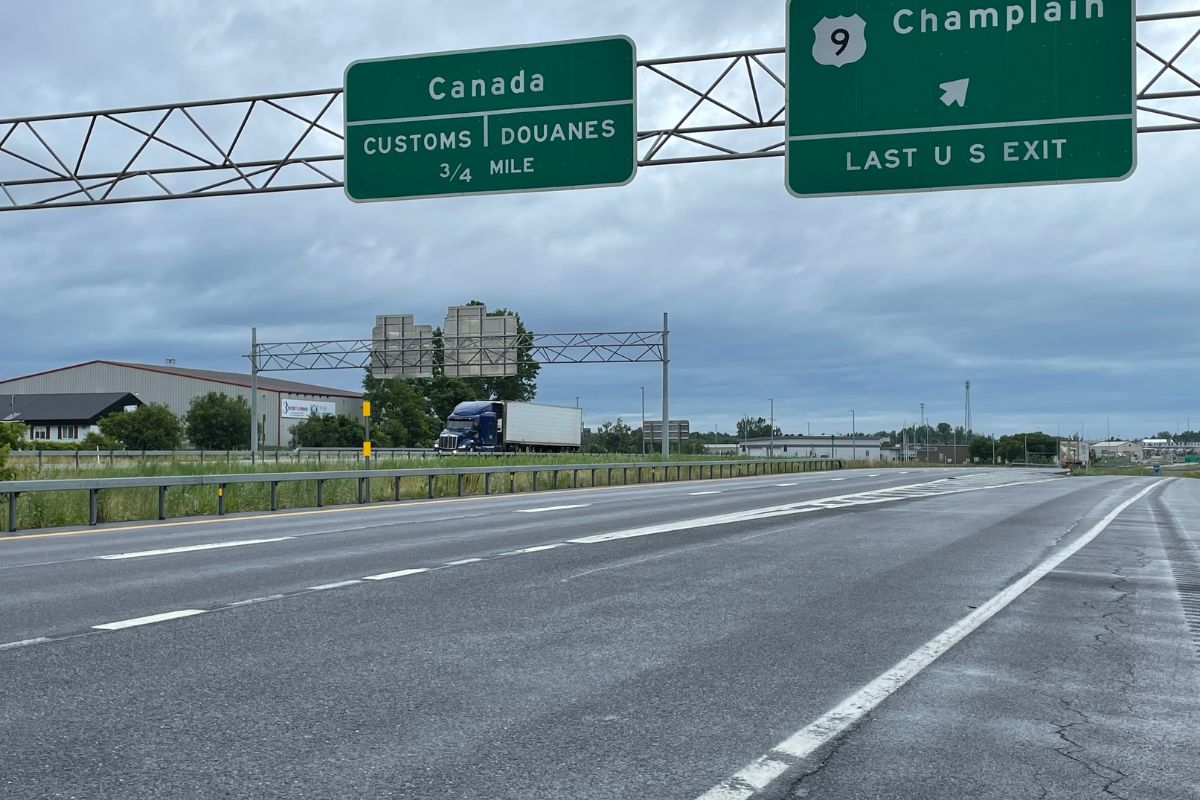
Cross-border shipping between Canada and the United States plays a major role in the Toronto supply chain. Manufacturers, distributors, and e-commerce brands rely on consistent access to U.S. markets, but moving freight across the border introduces layers of complexity that domestic shipping does not. Documentation requirements, customs clearance, carrier coordination, and border congestion all create friction that can disrupt delivery timelines and inflate costs.
For many businesses, these challenges become more pronounced as volumes grow. What once worked with manual processes or ad-hoc carriers quickly turns into missed appointments, detained freight, and frustrated customers. This is where working with a Toronto-based 3PL becomes a strategic advantage, especially one built to manage cross-border freight every day.
Why Cross-Border Deliveries Are Operationally Challenging
Shipping across the Canada–U.S. border is not simply a longer domestic move. Each shipment must meet regulatory, security, and trade compliance requirements before it is allowed to proceed.
Common challenges include:
- Inaccurate or incomplete customs documentation
- Incorrect tariff classification or declared value
- Border delays caused by inspections or congestion
- Mismatched carrier handoffs between countries
- Limited visibility once freight reaches the border
Even small documentation errors can cause shipments to be held, leading to storage fees, missed delivery windows, or inventory shortages downstream. These risks increase when businesses attempt to manage cross-border shipping without dedicated logistics expertise.
The Strategic Role of Toronto in Cross-Border Logistics
Toronto serves as one of Canada’s most important logistics hubs for cross-border freight. Its proximity to major highways, rail corridors, and border crossings such as Windsor–Detroit and Fort Erie–Buffalo makes it a natural staging point for U.S.-bound shipments.
A Toronto 3PL leverages this positioning by consolidating freight, coordinating carrier schedules, and preparing shipments before they reach the border. Instead of reacting to delays after they happen, a local 3PL builds border requirements directly into warehouse and transportation planning.
For example, freight can be pre-sorted, labeled, and documented at the warehouse level so that trucks arrive at the border fully compliant and ready for clearance. This proactive approach reduces dwell time and keeps freight moving.
How a 3PL Manages Customs and Compliance on Your Behalf
One of the most valuable roles a 3PL plays in cross-border logistics is managing compliance. Customs documentation must be accurate, consistent, and submitted on time. Errors often come from disconnected systems or last-minute paperwork.
An experienced Toronto 3PL centralizes this process. Shipping data, invoices, and product classifications are reviewed before freight leaves the warehouse. This creates a clean handoff between warehouse operations, customs brokers, and carriers.
Key compliance support provided by a 3PL often includes:
- Verification of commercial invoices and packing lists
- Coordination with customs brokers on both sides of the border
- Tariff classification and trade agreement support
- Pre-clearance preparation to reduce inspection risk
By embedding compliance into daily operations, a 3PL reduces exposure to fines, delays, and shipment rejections.
Streamlining Transportation and Border Crossings
Cross-border transportation requires careful carrier coordination. Not all carriers operate seamlessly in both Canada and the U.S., and poorly planned handoffs can stall shipments at the border.
A Toronto 3PL maintains carrier networks designed for cross-border movement. This includes line-haul carriers, drayage providers, and regional U.S. partners that can receive freight immediately after clearance. Shipments are scheduled with border conditions in mind, including peak congestion periods and seasonal slowdowns.
For mixed or smaller shipments, consolidation becomes especially valuable. A 3PL can combine multiple orders into full truckloads, reducing cost per unit while simplifying customs processing. Instead of clearing multiple small shipments, one consolidated load moves through the border more efficiently.
Using Warehousing and Cross-Docking to Reduce Delays
Warehousing plays a critical role in smoothing cross-border workflows. Rather than shipping everything directly from origin to destination, a Toronto 3PL uses warehousing as a control point.
Inbound freight can be received, inspected, and staged before export. Cross-docking allows time-sensitive shipments to move quickly without long-term storage, while other inventory waits for optimal shipping windows.
This approach provides flexibility when border conditions change. If a crossing experiences delays, freight can be held temporarily without disrupting downstream distribution. Once conditions improve, shipments are released in a controlled and predictable manner.
Working With a 3PL is A Smarter Way to Manage Cross-Border Growth
As businesses expand into U.S. markets, cross-border logistics becomes a core operational function, not a side task. Managing it internally often leads to higher costs, increased risk, and inconsistent performance.
A Toronto 3PL brings structure to cross-border deliveries by aligning warehousing, compliance, and transportation into one coordinated system. With the right partner, border crossings become predictable, documentation becomes routine, and delivery timelines stabilize.
For companies shipping between Canada and the United States, working with a Toronto-based 3PL is not just about convenience. It is about building a supply chain that can scale confidently across borders without disruption.
As market leaders in e-commerce order fulfillment, co-packing, transportation, and 3PL warehousing services within Toronto, we leverage our specialized expertise in the distribution industry. Our clientele spans across a multitude of industries, boasting some of the globe’s most renowned companies.