


2026
How Reverse Logistics Helps Reduce Toronto Landfill Waste in Retail & E-commerce
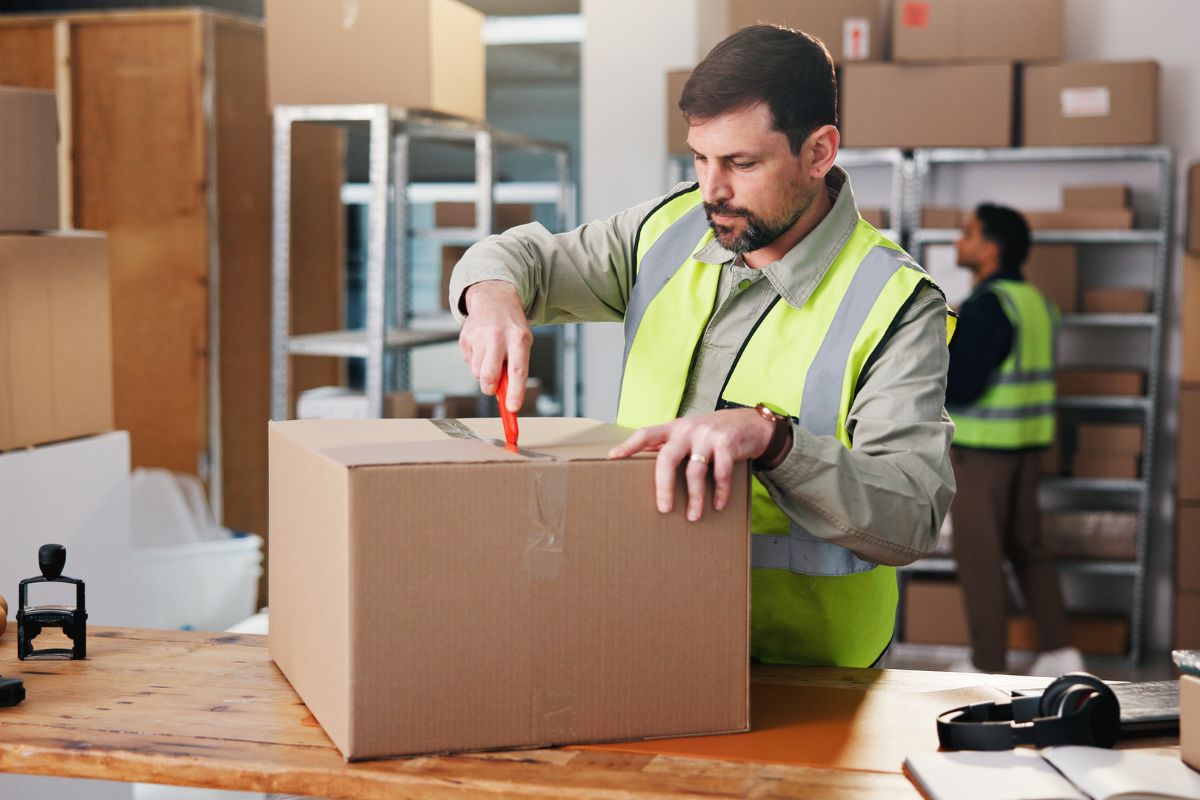
The rapid expansion of online shopping has fundamentally changed how consumers in the Greater Toronto Area purchase goods. While next-day delivery offers incredible convenience, it has also triggered a massive surge in product returns. Unfortunately, a significant portion of these returned items historically ended up in local landfills, creating a severe environmental crisis for our city.
Fortunately, modern supply chains are adapting to this challenge through smarter return management strategies. By implementing efficient systems to process, inspect, and repurpose returned merchandise, businesses can drastically cut down on unnecessary waste. Let us explore exactly how these innovative processes are protecting our local environment while simultaneously recovering lost revenue for retailers.
The Growing Challenge of E-commerce Returns in the GTA
The sheer volume of returned merchandise in today's retail landscape is staggering. Industry data suggests that online purchases are returned at a rate nearly three times higher than items bought in physical brick-and-mortar stores. For a densely populated region like Toronto, this translates to millions of individual products flowing backward through the supply chain every single year. Managing this massive influx requires specialized infrastructure and dedicated resources.
When a customer in Mississauga or Brampton ships a product back, the retailer faces a complex logistical hurdle. Unlike outbound shipping, which deals with uniform pallets of brand-new goods, returns are entirely unpredictable. Items arrive in various conditions, often missing their original packaging or bearing minor defects. Without a structured system to handle this chaos, the easiest and cheapest option for many companies was simply to discard the items.
This linear approach to retail is no longer sustainable. The environmental toll of manufacturing, shipping, and ultimately trashing perfectly usable goods is immense. To combat this, forward-thinking brands are partnering with specialized Toronto 3PL warehousing providers to build circular supply chains that prioritize recovery over disposal.
Sorting and Inspection Protocols That Save Usable Goods
The first and most critical step in preventing returned items from reaching a landfill is a rigorous inspection process. When a returned package arrives at a distribution center, it cannot simply be placed back on the shelf. It must be carefully evaluated to determine its exact condition and its potential for resale. This requires trained personnel who can quickly and accurately assess a wide variety of products.
Advanced sorting facilities utilize detailed grading systems to categorize returns. Items that are unopened and in pristine condition are immediately routed back into active inventory. Products with damaged packaging might be sent to a dedicated repacking station, while items with minor cosmetic flaws are flagged for secondary markets. This meticulous sorting ensures that every item is directed toward its highest possible value recovery path.
Effective inspection protocols rely on several key operational steps:
- Immediate visual assessment to identify any obvious signs of wear, damage, or missing components.
- Functional testing for electronics and appliances to ensure they operate according to manufacturer specifications.
- Sanitization and cleaning procedures for apparel and home goods to prepare them for potential resale.
- Detailed data logging to track the reasons for returns, helping brands identify and fix recurring product issues.
By investing in these comprehensive inspection processes, logistics providers ensure that only truly unsalvageable items are discarded. This systematic approach is the backbone of effective waste reduction in the modern retail sector.
Repackaging Strategies to Restore Retail Value
A surprisingly large percentage of returned goods are perfectly functional but suffer from damaged or missing exterior packaging. In the past, a crushed cardboard box was often enough to condemn a brand-new product to the trash. Today, specialized logistics centers are equipped to solve this exact problem, breathing new life into items that would otherwise be written off as total losses.
Through dedicated value-add services, warehouse teams can replace torn boxes, apply new shrink wrap, and print fresh barcode labels. This process, often referred to as refurbishment or kitting, restores the product to a condition that meets the strict standards of major retailers. Once repackaged, these items can be seamlessly reintegrated into the primary sales channel, completely avoiding the waste stream.
This strategy is particularly effective for consumer electronics, small appliances, and high-end cosmetics. By focusing on the presentation of the product rather than just its functionality, brands can recover a significant portion of their initial investment while keeping perfectly good merchandise out of local Toronto landfills.
Diverting Products to Secondary Markets and Liquidators
Not every returned item can be restored to "like-new" condition. Products with noticeable scratches, missing non-essential accessories, or signs of light use cannot be sold at full retail price. However, this does not mean they have lost all their value. The rise of secondary markets has created a robust ecosystem for selling discounted, open-box merchandise to budget-conscious consumers.
Logistics providers actively manage relationships with a network of liquidators, discount retailers, and online auction platforms. Instead of paying disposal fees to throw items away, brands can sell these graded returns in bulk to secondary buyers. This strategy recovers a fraction of the product's cost while ensuring it finds a home with a consumer who appreciates the discount.
The secondary market diversion process typically involves the following channels:
- Direct-to-consumer outlet stores that specialize in selling refurbished or open-box electronics and appliances.
- Online marketplace storefronts dedicated to heavily discounted apparel, footwear, and seasonal home goods.
- Wholesale liquidation auctions where bulk pallets of mixed returns are sold to independent resellers and flea markets.
- Donation programs that provide usable clothing and household items to local Toronto charities and shelters.
By systematically routing less-than-perfect items through these alternative channels, the supply chain effectively extends the lifecycle of the product. This diversion is a crucial component of ESG wins for warehouses, demonstrating a clear commitment to environmental sustainability.
The Importance of Responsible Recycling and Destruction
Despite the best efforts of inspection and refurbishment teams, some returned items are simply beyond repair. Products that are shattered, heavily contaminated, or pose a safety risk cannot be resold or donated. However, even in these cases, simply tossing the items into a dumpster is no longer an acceptable practice for responsible businesses.
Modern logistics facilities partner with specialized recycling firms to break down unsalvageable goods into their raw materials. Electronics are dismantled to recover valuable metals like copper and gold, while plastics and cardboard are baled and sent to local processing plants. This meticulous deconstruction ensures that the core materials re-enter the manufacturing cycle rather than taking up space in a landfill.
For certain industries, such as cosmetics or proprietary technology, items must be securely destroyed to protect brand integrity and prevent unauthorized resale. In these instances, certified destruction processes are employed. These methods guarantee that the product is completely neutralized while still prioritizing the recycling of the resulting scrap materials wherever possible.
Leveraging Data to Prevent Future Returns
The most effective way to reduce the environmental impact of returns is to prevent them from happening in the first place. Every time an item flows backward through the supply chain, it generates valuable data. By capturing and analyzing this information, brands can identify the root causes of customer dissatisfaction and take proactive steps to address them.
Advanced warehouse management systems track exactly why an item was sent back. Was the apparel sizing inconsistent? Did the product description misrepresent the features? Was the item damaged during initial transit? By aggregating this data, companies can make informed decisions to improve their product design, update their website descriptions, or enhance their outbound packaging.
Data-driven return prevention strategies focus on several key areas of improvement:
- Updating online sizing charts and providing more accurate product photography to set proper customer expectations.
- Identifying manufacturing defects early by tracking spikes in return rates for specific product batches or SKUs.
- Improving protective packaging for fragile items to reduce the rate of damage during the initial delivery phase.
- Refining ecommerce fulfillment processes to ensure the correct item is picked and shipped the first time.
By treating the returns process as a vital source of consumer feedback, brands can continuously refine their operations. This proactive approach not only boosts customer satisfaction but also significantly reduces the overall volume of goods entering the reverse supply chain.
Building a Sustainable Circular Economy in Ontario
The traditional retail model of "make, use, dispose" is rapidly becoming obsolete. In its place, a circular economy is emerging—one that prioritizes resource recovery, waste reduction, and environmental stewardship. The management of returned goods is a critical pillar of this new economic model, particularly in major commercial hubs like the Greater Toronto Area.
As consumer awareness regarding environmental issues continues to grow, brands are under increasing pressure to demonstrate responsible business practices. Companies that actively invest in robust return management systems are not just saving money; they are building trust and loyalty with an eco-conscious customer base. They are proving that profitability and sustainability can successfully coexist.
Ultimately, the transformation of the reverse supply chain is a collaborative effort. It requires the dedication of retailers, the expertise of logistics providers, and the support of local recycling partners. By working together, we can ensure that the convenience of modern retail does not come at the expense of our local environment, keeping our city cleaner and greener for generations to come.
As market leaders in e-commerce order fulfillment, co-packing, transportation, and 3PL warehousing services within Toronto, we leverage our specialized expertise in the distribution industry. Our clientele spans across a multitude of industries, boasting some of the globe’s most renowned companies.