


2026
How a Toronto 3PL Helps Minimize Stockouts
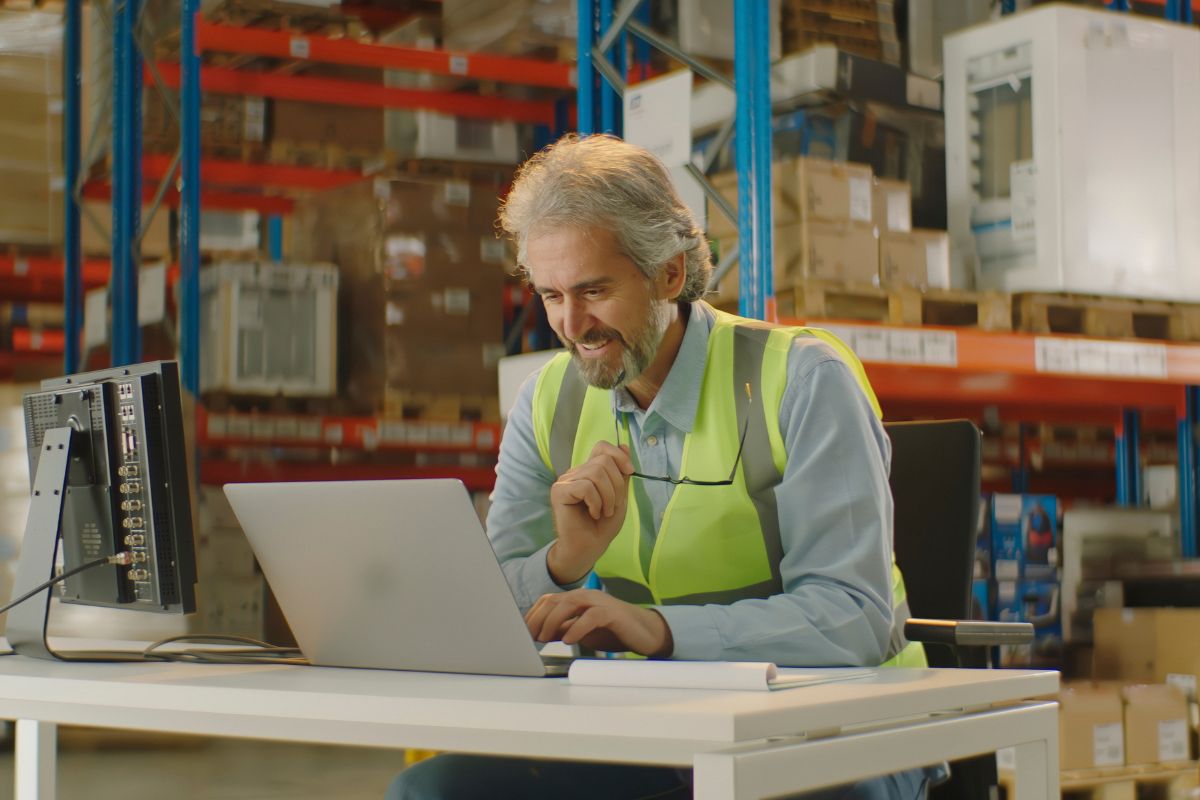
Running out of inventory is one of the most frustrating challenges a business can face. When a customer is ready to buy and the product is unavailable, it leads to lost sales, damaged brand reputation, and an opportunity for competitors to swoop in. In a fast-paced market like the Greater Toronto Area, where consumer expectations for rapid delivery are higher than ever, maintaining optimal inventory levels is critical. This is where partnering with a reliable third-party logistics provider becomes a game-changer.
A Toronto 3PL does much more than just store boxes on shelves. They act as the central nervous system of your supply chain, providing the infrastructure, technology, and expertise needed to keep your products flowing smoothly. By leveraging advanced inventory management systems and strategic distribution networks, a 3PL can anticipate demand fluctuations and prevent stockouts before they happen. Let us explore the specific ways a logistics partner can safeguard your inventory and keep your customers satisfied.
Leverage Advanced Inventory Tracking Technology
The foundation of preventing stockouts is having absolute visibility into your inventory at all times. Relying on manual counts or outdated spreadsheets is a recipe for disaster, especially when managing multiple sales channels. A modern 3PL utilizes sophisticated Warehouse Management Systems (WMS) that provide real-time data on every item in the facility. This technology tracks products from the moment they arrive at the receiving dock to the second they are shipped out the door.
With a robust WMS, you can monitor stock levels, track sales velocity, and set automated reorder points. When inventory dips below a certain threshold, the system triggers an alert, giving you ample time to replenish before running out. This proactive approach eliminates the guesswork and ensures you are always prepared for incoming orders.
Here are the key benefits of utilizing advanced inventory tracking technology:
- Real-time visibility across all sales channels and warehouse locations
- Automated low-stock alerts to trigger timely reordering
- Accurate forecasting based on historical sales data and trends
- Reduction in human error associated with manual inventory counting
By integrating your e-commerce platforms with a 3PL's technology, you create a seamless flow of information. This integration is vital for e-commerce fulfillment, as it ensures that the inventory displayed on your website accurately reflects what is physically available in the warehouse.
Optimize Safety Stock Levels for Peak Seasons
Safety stock acts as an insurance policy against unexpected spikes in demand or delays in the supply chain. It is the extra inventory you keep on hand to buffer against the unknown. However, calculating the right amount of safety stock is a delicate balancing act. Too little, and you risk a stockout; too much, and you tie up valuable capital in unsold goods.
A Toronto 3PL has the expertise to help you determine the optimal safety stock levels for your specific products. They analyze historical data, seasonal trends, and lead times from your suppliers to create a customized inventory strategy. For example, if you sell winter apparel, your 3PL will ensure you have sufficient safety stock built up before the first snowfall hits the GTA.
Furthermore, a 3PL can provide the flexible storage space needed to accommodate these seasonal fluctuations. Instead of paying for empty warehouse space during slow periods, you only pay for the space you use. This scalability is a major advantage of 3PL warehousing, allowing you to manage peak seasons efficiently without incurring unnecessary overhead costs.
Streamline the Receiving and Putaway Process
Inventory cannot be sold if it is sitting on a loading dock waiting to be processed. Delays in receiving and putaway are a common cause of stockouts, as products are physically in the building but not yet available in the system for fulfillment. A professional 3PL understands the urgency of this process and has strict protocols in place to ensure rapid turnaround times.
When a shipment arrives at a Toronto warehouse, the 3PL team immediately begins the receiving process. They verify the quantities, inspect for damage, and scan the items into the WMS. Once received, the products are quickly moved to their designated storage locations, a process known as putaway. Efficient putaway strategies, such as slotting fast-moving items near the packing stations, further accelerate the fulfillment process.
A streamlined receiving process involves several critical steps:
- Advance shipping notifications (ASN) to prepare the warehouse team
- Rapid unloading and verification of incoming freight
- Immediate scanning into the inventory management system
- Strategic putaway to optimize picking efficiency
By minimizing the time it takes to move products from the truck to the shelf, a 3PL ensures that your inventory is available for sale as quickly as possible. This rapid processing is especially crucial for businesses utilizing cross docking services, where speed is the primary objective.
Improve Supply Chain Visibility and Communication
Stockouts are often the result of a breakdown in communication within the supply chain. If a manufacturer is delayed in producing a batch of goods, or a shipping container is held up at the port, you need to know immediately so you can adjust your strategy. A Toronto 3PL acts as a central hub of communication, connecting you with suppliers, carriers, and the warehouse floor.
Through their extensive network and industry relationships, a 3PL can provide early warnings of potential disruptions. They monitor global shipping trends, weather patterns, and local traffic conditions on the 401 to anticipate delays. This proactive communication allows you to make informed decisions, such as expediting a shipment or shifting inventory between locations.
Moreover, a 3PL provides you with a dedicated account manager who understands the nuances of your business. This single point of contact ensures that your questions are answered promptly and that any issues are resolved before they escalate into a stockout situation. This level of partnership is essential for building network resiliency in today's volatile market.
Implement Efficient Returns Management Strategies
Returns are an inevitable part of retail, but they don't have to be a drain on your inventory. When a customer returns an item, the goal should be to get that product inspected, refurbished if necessary, and back into available stock as quickly as possible. A slow returns process essentially creates a temporary stockout, as the item is unavailable for resale.
A 3PL can handle the entire reverse logistics process efficiently. They receive the returned items, assess their condition based on your specific guidelines, and update the inventory system accordingly. Items that are in pristine condition are immediately restocked, while damaged goods are routed for repair, liquidation, or disposal.
An effective returns management strategy includes the following components:
- Clear guidelines for assessing the condition of returned items
- Rapid processing to get sellable goods back into inventory
- Value-add services such as repackaging or minor repairs
- Detailed reporting on return reasons to identify product issues
By turning returns around quickly, a 3PL helps you maximize the value of your inventory and prevents perfectly good products from sitting idle in a processing queue. This efficiency is a key component of comprehensive value-add services.
Utilize Distributed Inventory Across Multiple Locations
Relying on a single warehouse to serve a massive country like Canada can increase the risk of stockouts and delay delivery times. If a localized issue, such as a severe winter storm in Ontario, disrupts operations at your sole facility, your entire supply chain grinds to a halt. Distributing your inventory across multiple strategic locations is a powerful way to mitigate this risk.
A Toronto 3PL with a national network allows you to place your products closer to your end customers. By analyzing your customer data, they can help you determine the optimal locations to store your goods. For example, you might keep the majority of your stock in a Mississauga facility to serve the dense GTA market, while maintaining a smaller cache in a western facility to serve customers in Alberta and British Columbia.
This distributed approach not only reduces transit times and shipping costs but also provides a critical fail-safe. If one facility experiences a disruption, orders can be seamlessly routed to another location, ensuring that your customers receive their products without delay. This strategic placement is the ultimate defense against regional stockouts.
Secure Your Supply Chain Against Disruptions
Preventing stockouts requires a proactive, multi-faceted approach that goes beyond simply ordering more products. It demands advanced technology, strategic planning, and flawless execution.
By partnering with a Toronto 3PL, you gain access to the tools and expertise necessary to optimize your inventory levels and build a resilient supply chain. From real-time tracking and efficient receiving to distributed inventory and rapid returns processing, a 3PL provides the comprehensive support needed to keep your business running smoothly.
Do not let stockouts damage your brand and bottom line. Invest in a robust logistics strategy and ensure your products are always ready when your customers are.
As market leaders in e-commerce order fulfillment, co-packing, transportation, and 3PL warehousing services within Toronto, we leverage our specialized expertise in the distribution industry. Our clientele spans across a multitude of industries, boasting some of the globe’s most renowned companies.